
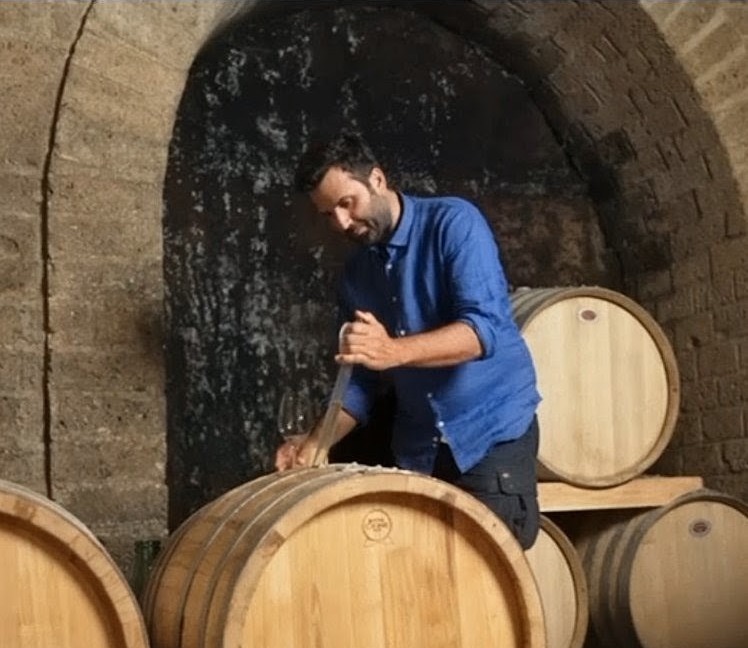
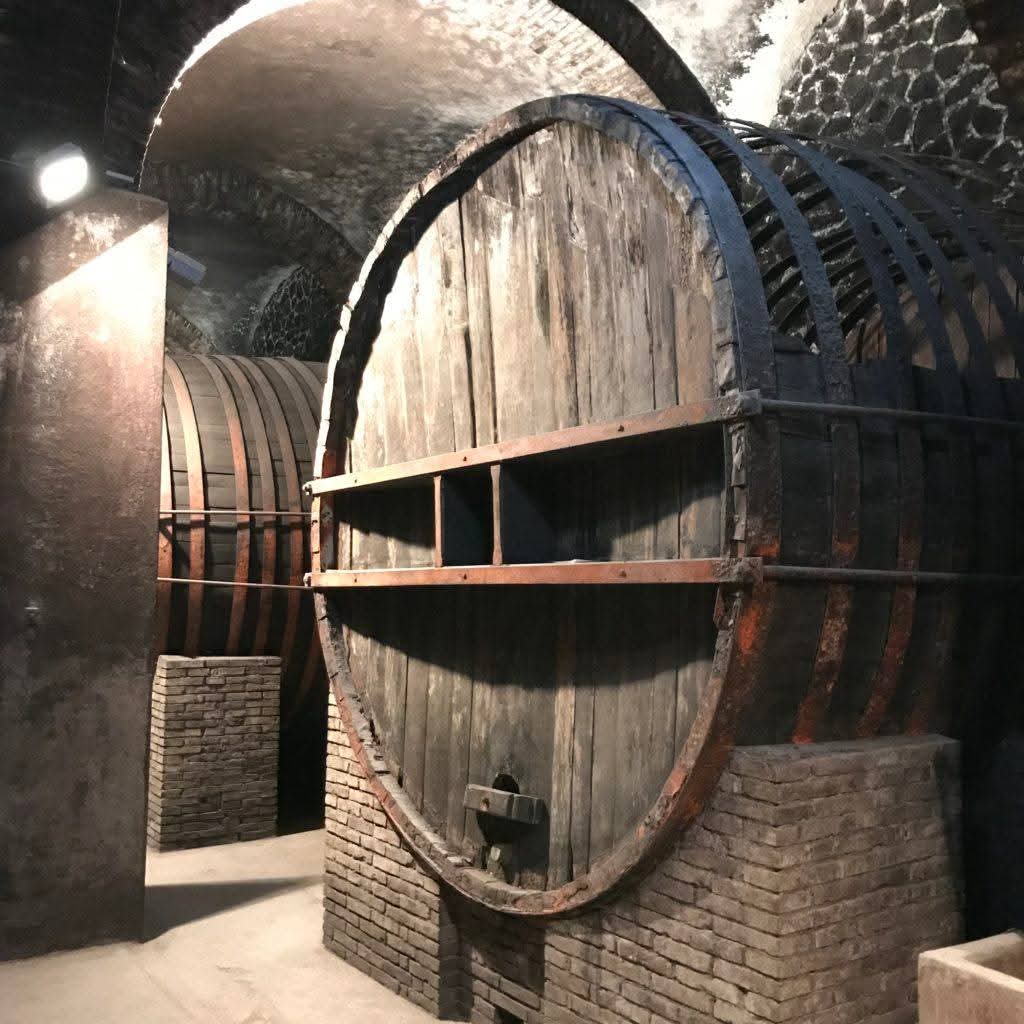
In 2021 Ludovico Maria Botti, agronomist and winemaker at Trebotti, decided to try the most difficult wine he could think of: a white with no added sulphites, aged in chestnut wood. It grew out of a precise conviction: since the 1990s the wine world has been growing more and more homogeneous, with French oak spreading almost uniformly through wineries everywhere. Chestnut, by contrast, is the great forgotten oenological wood of Central-Southern Italy — capable of giving wine back a distinctive, non-standardised character.
The result: a wine already on the market
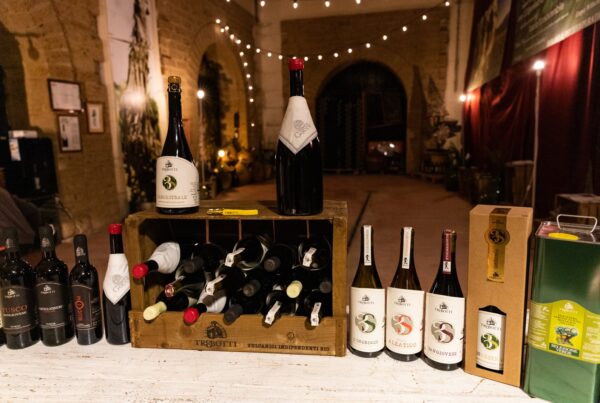
The experiment has already moved past its pioneering phase. 3S Grechetto, a sustainable white with no added sulphites aged for six months in chestnut barriques, is now in its fourth vintage and has established itself on the market. Starting with the 2025 harvest, Trebotti has extended the experiment to its reserve reds, Violone and Sangiovese.
That personal bet was the starting point for something bigger: a path that today involves foresters, coopers and the Lazio Region in a supply-chain project to bring local, zero-kilometre wood back into the cellar.
What changes in the wine
Chestnut differs from oak in having a more porous wood structure and a tannin profile dominated by hydrolysable tannins. This greater porosity allows for a faster release of phenolic compounds and more intense micro-oxygenation through the staves: more pronounced effects, which need to be managed with longer seasoning and calibrated toasting. Aromatically it gives more spiced, more “boisé” notes, less vanilla-forward than oak — a distinctive character, the opposite of the standardisation French oak has brought over the last thirty years.
A supply chain to rebuild
Until the early twentieth century, chestnut was one of the reference woods of Italian winemaking, from Sicily to Tuscany: in Lazio, staves even travelled from Civitavecchia to Porto, Jerez, Madeira, Marseille and London. As French oak took hold, that supply chain faded, and the last cooper in Tuscia closed shop in 1989: to rebuild its barrels, Trebotti had to look outside the region.
The timber will come from the Pesciaroli brothers (Piangoli, leaders in forestry management in Tuscia), whose family has worked chestnut wood for four generations and is now considering a return to making barrels directly. Stave-working will be entrusted to Bottai Cione, an Avellino family business active since 1754. It’s from this collaboration, together with the experience already built with Trebotti, that the idea of a genuine supply-chain project was born — one able to reconnect foresters, sawmills and craftsmen across the territory.
The Lazio Region project
On this basis, the Lazio Region has launched a study and experimentation project, presented this year at Vinitaly in the Arsial space with a vertical tasting of 3S Grechetto 2021-2024 and barrel samples from the 2025 harvest (Violone, Sangiovese and an experimental Pinot Nero, all sulphite-free). The project will involve a group of pilot wineries, selected to represent the diversity of the regional wine sector, and will entrust the University of Tuscia with scientific coordination and sensory evaluation. Operational roll-out is expected in the coming months.
A supply-chain opportunity, not a niche
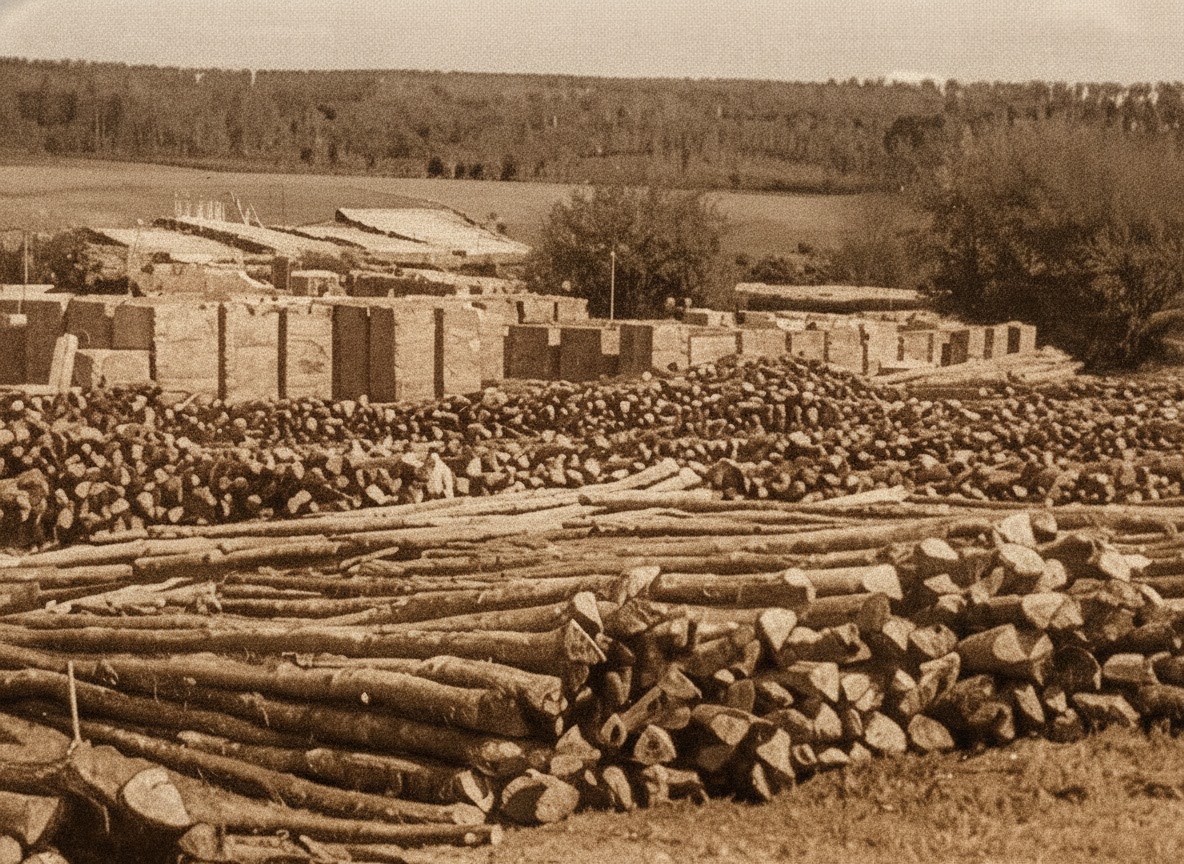
Lazio has 35,792 hectares of chestnut woods, over 26,000 of which are used for timber. Of the roughly 450 wineries in Lazio, between 80 and 150 are considered potentially interested in chestnut-wood ageing: demand estimated at 400 to 2,250 barrels a year, with a value increase of €2–5 per bottle and a potential annual impact of up to €3.3 million for the regional sector.
There’s an environmental angle too: a short chestnut supply chain reduces the carbon footprint tied to importing wood from abroad, adding sustainability to an already strong sense of territorial identity.
Bringing back to Lazio a wood the territory had worked for centuries and had ended up forgetting: Trebotti’s experiment is emerging as the starting point for a short supply chain that puts forest, craftsmanship and wine back into circulation in the very territory where they originate.
The full story is told by Ludovico Maria Botti in Vigne, Vini e Qualità issue 6, September 2026, available to subscribers only. On vigneviniequalita.edagricole.it you can browse previews of past issues and find subscription information.